
Walk into any auto repair shop today and you’ll notice something different from a decade ago. Sure, the wrenches, jacks, and torque wrenches are still there, but scattered among them are laptops, diagnostic scanners, and small handheld cameras that look more like something out of a spy movie than a garage. Car repair has changed, and the mechanics who keep our vehicles running are changing with it.
Why Cars Got Harder to Fix
The average car on the road today is a rolling computer network. A modern vehicle can have anywhere from 70 to over 100 electronic control units, managing everything from the engine and transmission to the seat heaters and infotainment system. This complexity has made diagnosing problems far more involved than it used to be. In the past, a mechanic could often diagnose an engine issue by listening to it, checking a few belts, or pulling a spark plug. Today, many issues start with plugging a scanner into the onboard diagnostics port and reading trouble codes before any tool touches a bolt.
This shift hasn’t made mechanics obsolete or less skilled – if anything, it’s raised the bar. A good mechanic now needs to understand electrical systems, sensor networks, and software updates alongside the traditional mechanical knowledge of engines, brakes, and suspensions. Shops that once relied purely on experience and intuition now lean on data, historical repair records, and manufacturer technical bulletins to pinpoint problems accurately.
The Most Common Repairs Mechanics See
Despite the added complexity, some repairs remain constants in any shop’s daily workload. Brake pad and rotor replacement is one of the most frequent jobs, simply because brakes wear down with regular use and are critical for safety. Oil changes, while less dramatic, are still the bread and butter of many shops, especially since regular oil changes prevent far more expensive engine problems down the road.
Battery replacement has also become more common as vehicles pack in more electronics that drain power even when the car is off. Alternator and starter issues follow a similar pattern, since these components work harder to keep every onboard system charged and running. Suspension work, particularly for shocks, struts, and control arms, is another perennial need, especially in regions with rough roads or harsh winters that accelerate wear on undercarriage components.
Then there are the issues that keep evolving alongside vehicle technology: sensor failures, wiring harness problems, and software glitches that require reflashing a control module rather than replacing a physical part. These newer categories of repair didn’t exist in any meaningful way twenty years ago, and they now make up a growing share of what walks through a shop’s bay doors.
Diagnosing the Invisible: A Mechanic’s Biggest Challenge
One of the hardest parts of modern car repair isn’t fixing a problem once it’s found – it’s finding the problem in the first place. Engines, transmissions, and exhaust systems are packed tightly into spaces that were never designed with human eyes or hands in mind. A mechanic might suspect a cracked cylinder, a clogged fuel injector, or debris lodged somewhere deep in an intake manifold, but confirming that suspicion used to mean partially disassembling the vehicle just to get a look.
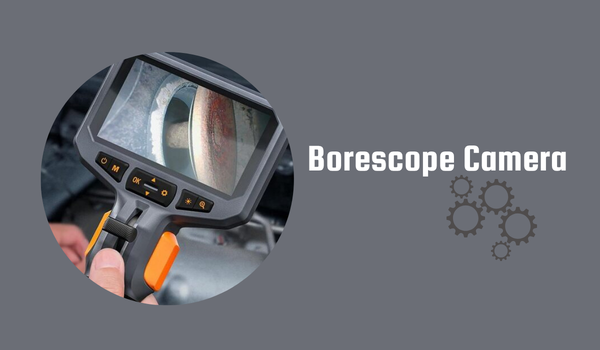
This is where visual inspection tools have quietly transformed the trade. Instead of pulling apart an engine to check for scoring on a cylinder wall or a blocked passage, a technician can now snake a small camera through an existing opening, a spark plug hole, or a narrow gap, and see exactly what’s going on in real time. It saves hours of labor, reduces the risk of causing new problems during teardown, and gives the mechanic hard visual evidence before recommending an expensive repair to a customer. For shops looking to build out a proper diagnostic toolkit, guides that walk through some of the best borescope for mechanics options are worth reading, since picking the right one affects both image quality and how quickly a technician can work in tight engine bays.
Getting the Most Out of Diagnostic Tools
Buying a good diagnostic camera is only half the equation. Like any precision tool, a borescope is only as reliable as the accessories that support it day to day. A camera left loose in a toolbox is prone to scratched lenses, bent cables, and connector damage, all of which shorten its usable life and can compromise image quality right when it’s needed most. Mechanics who rely on these tools regularly quickly learn that protecting the equipment is just as important as choosing a capable model in the first place.
This is why more shops are paying attention to the accessories that come with, or can be added to, their inspection cameras. A sturdy case keeps the camera, cables, and probe attachments organized and protected between jobs, which matters a lot in a mobile repair van or a busy shop where tools get tossed around. Replacement cables matter too, since the flexible probe is the part most likely to wear out from repeated bending and threading through tight spaces. Anyone weighing the details of buying a borescope carrying case, along with which replacement cables are actually worth keeping on hand, will find that the right accessories extend the life of the tool considerably and save money over time compared to replacing the entire unit.
The Human Element Still Matters
For all the new technology, car repair remains a trade built on experience and judgment. Diagnostic tools and cameras give mechanics more information, but interpreting that information still depends on years of hands-on knowledge. A scanner can tell you a code was triggered, but knowing whether that code points to a failing sensor or a wiring issue often comes down to a technician’s trained eye and intuition built from thousands of previous repairs.
This blend of old and new skills is what defines the modern mechanic. They still need strong mechanical fundamentals, an understanding of how engines and drivetrains work, and the physical skill to remove and replace parts correctly. But they also need comfort with digital tools, patience to learn new diagnostic equipment, and the willingness to keep up with a vehicle fleet that changes faster than ever before.
Looking Ahead
As cars continue adding sensors, cameras, and computing power, the tools mechanics use to service them will keep evolving too. Visual inspection equipment, once a specialty item, is quickly becoming standard issue in any well-equipped shop. Mechanics who invest in quality diagnostic tools, and take care of them properly, are positioning themselves to handle whatever the next generation of vehicles throws their way. The trade has always been about problem-solving under the hood, and today that problem-solving just happens to come with a screen attached.